The mysteries of life have always fascinated scientists, especially as they pertain to the resilience and adaptability of organisms. Among the most intriguing are the microbes that inhabit some of Earth's most extreme environments. From the crushing depths of the oceans to the blistering heat of deserts, these microorganisms offer valuable insights into the boundaries of life, possibly informing our quest to find life beyond our planet.
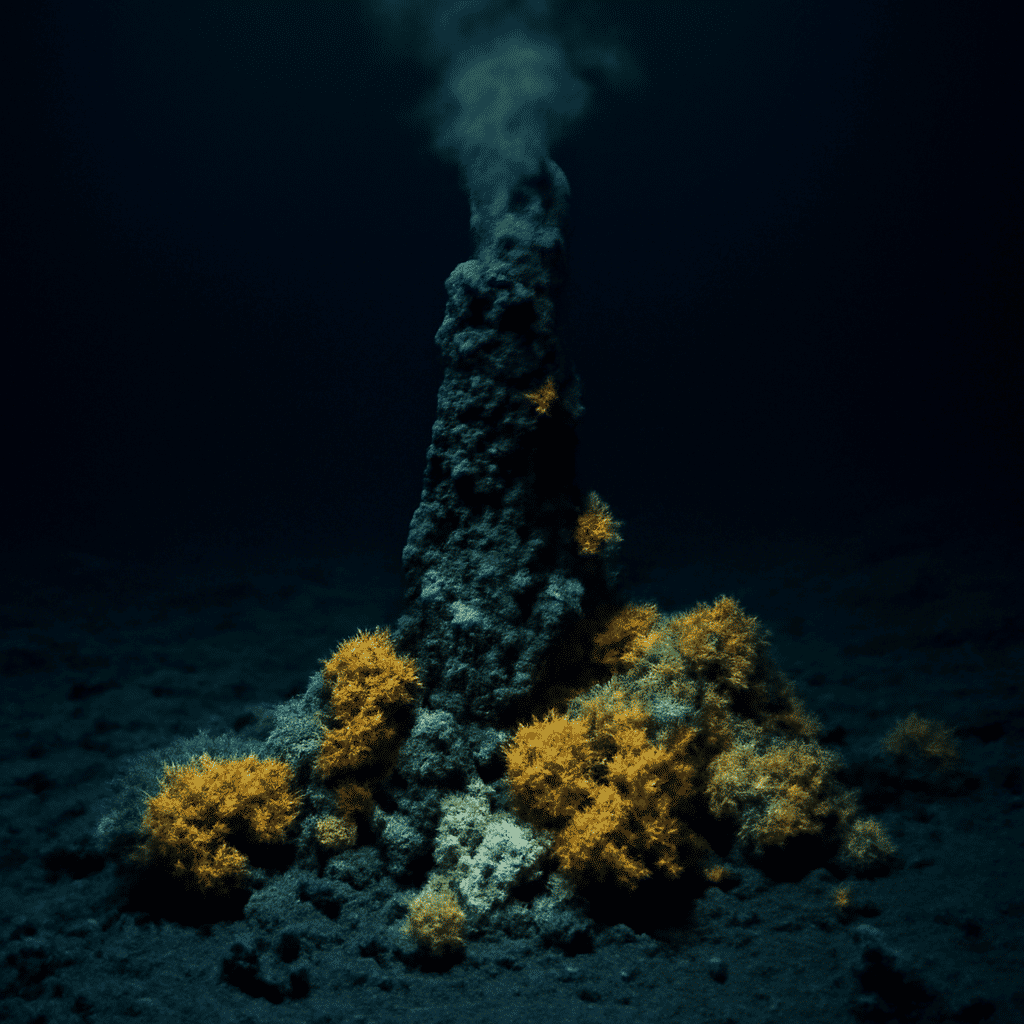
In the dark abyss of the ocean, where sunlight cannot penetrate, life persists in ways that defy common terrestrial logic. Hydrothermal vents, located along mid-ocean ridges, spew minerals and gases that support vibrant ecosystems despite high pressure, extreme temperatures, and acidity. Here, thermophiles—heat-loving bacteria—thrive by harnessing energy from chemical reactions. These microbes are not only pivotal in sustaining the surrounding life forms but also provide clues about how life might exist on other planets and moons with similar conditions.
Meanwhile, on the other end of the moisture spectrum, arid deserts host xerophiles—organisms that favor dry environments. In places like the Atacama Desert, one of the driest places on Earth, ancient, hardy microbes have adapted to persist with minimal water, utilizing metabolic processes to conserve moisture. Recent studies have shown the ability of these desert microorganisms to enter a state of dormancy, allowing them to survive extended periods of desiccation until conditions improve. These adaptations are especially intriguing when considering the search for life on Mars, where dry, desert-like conditions dominate.
The icy reaches of the polar regions, both in the Arctic and Antarctic, introduce further challenges of cold, lower sunlight, and nutrient scarcity. Psychrophiles—cold-loving microbes—manage to stay active at sub-zero temperatures by altering their cellular structures to prevent freezing and by producing antifreeze proteins. These adaptations have implications for understanding life in similarly cold environments on icy moons like Europa or Enceladus.
Beyond sheer survival, these microorganisms participate in critical biogeochemical cycles, recycling key elements like carbon, nitrogen, and sulfur which are vital for the Earth's ecosystems. Their metabolic processes help to maintain ecological balance, sequestering carbon, and influencing climate patterns—a reminder of their vast impact despite their microscopic size.
The study of extremophiles — organisms thriving in conditions previously thought to be inhospitable to life — continues to be a vibrant field of research. Advances in technology, from genetic sequencing to remote sensing, have enabled scientists to identify previously unknown species and understand their genetic adaptations. Moreover, understanding these extremophiles expands our knowledge of the versatility of life, opening new possibilities for biotechnology and bioengineering applications.
In essence, the study of microbial life in extreme environments not only challenges our understanding of life's adaptability but also enriches our perspective on the potential for life across the universe. Every new discovery holds the promise of unlocking further secrets about how life persists in the cosmos, reminding us of the remarkable tenacity inherent in living systems.